Culinary Uses & Everyday Applications
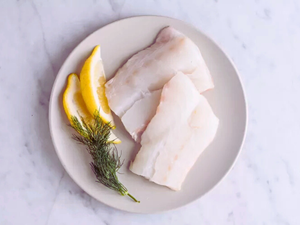
This whole Atlantic salmon fillet is a versatile, high-yield cut suitable for a wide range of cooking methods:
🥣 Large-Format Centerpiece Baking
Bake the fillet whole, either wrapped in foil with herbs and aromatics or roasted uncovered on a sheet pan. Ideal for family gatherings, celebrations, and holiday meals.
🍱 Weekly Meal-Prep Portioning
Slice the fillet into individual portions or uniform cuts while partially frozen or fully thawed. This allows for consistent portion control and easy integration into weekly meal planning.
🍸 High-Heat Grilling & Searing
Cut into serving-size fillets for pan-searing skin-side down to achieve a crisp, golden finish. Alternatively, grill over open flame or on cedar planks to add subtle smoky flavor.
How to Cook Whole Salmon Fillet
01Steamer (Frozen Portions): Remove the salmon fillet from its packaging and place in a steamer basket over gently simmering liquid (water or lightly seasoned broth). Cover and steam for 6–10 minutes depending on thickness. Allow to rest for 2 minutes before serving.
02Hot Water Bath (Frozen, Sealed if Food-Safe): If vacuum-sealed in a heat-stable pouch, submerge in gently simmering water for 8–12 minutes. Avoid rolling boil. Let rest for 2 minutes before serving.
03Oven (Frozen – 180°C): Remove from packaging and place in an oven-safe dish. Cover loosely with foil and bake for 15–20 minutes for portions (larger fillets or whole sides require longer cooking, around 35–50+ minutes depending on thickness and size), until heated through.
04Microwave (Portions Only): Place smaller portions in a microwave-safe dish and cover loosely. Cook on medium power in 1–2 minute intervals, adjusting position as needed for even heating. Let stand for 1 minute before serving.
05Oven (Thawed – 175–180°C): Drizzle with olive oil and wrap loosely in foil. Bake in a preheated oven for 25–35 minutes depending on thickness. Cook until it flakes easily or reaches an internal temperature of 60–63°C (140–145°F). Rest briefly before serving.
Featured Recipe: Herb-Roasted Whole Salmon
Ingredients:
Directions:
01Preheat oven to 180°C. Place salmon on a lined baking tray then brush with oil or butter.
02Season evenly with salt, pepper, herbs, and lemon slices.
03Roast until the salmon flakes easily and reaches your preferred level of doneness. For fully cooked salmon, ensure the thickest part reaches 63°C (145°F).
04Rest briefly, then serve.
Nutritional Highlights
- Moderate in Calories: Provides approximately 200–210 kcal per 100 g serving, providing a balanced energy profile for a variety of eating patterns.
- Naturally Free of Carbohydrates: Contains 0 g of carbohydrates, including 0 g of fiber and sugars, making it suitable for low-carbohydrate and low-glycemic eating patterns.
- High-Quality Protein Source: Delivers around 20 g of complete protein per 100 g, supporting muscle maintenance and overall metabolic health.
- Rich in Essential Nutrients: A natural source of marine omega-3 fatty acids (EPA & DHA), vitamin B12, niacin (vitamin B3), and other essential nutrients.
- Vitamin B12: over 100% of daily value
- Niacin (Vitamin B3): approximately 45–50% DV
- Selenium: about 44% DV
- Minerals such as calcium and iron in trace amounts
| Average Nutritional Values | Per 100 g |
| Energy | 208 kcal | %DV* |
| Total Fat | 13 g | 20% |
| Saturated Fat | 3.1 g | 16% |
| Cholesterol | 55 mg | 18% |
| Sodium | 59 mg | 3% |
| Total Carbohydrates | 0 g | 0% |
| Dietary Fiber | 0 g | 0% |
| Sugars | 0 g | |
| Protein | 20 g | |
| Calcium | 9 mg | 1% |
| Iron | 0.3 mg | 2% |
| Potassium | 363 mg | 8% |
| Vitamin B12 | 3.23 mcg | 135% |
*Percent Daily Values are based on a 2,000-calorie diet.
Nutritional values are approximate and may vary depending on the source, season, and natural biological variation.
Storage & Shelf Life
Follow proper storage practices to maintain quality, texture, and flavor.
01Freezer Storage: Store at −18°C (0°F) or below in a consistently cold freezer environment. When kept properly frozen, the product will maintain its best quality until the expiry or best-by date indicated on the packaging.
02After Opening: Once the original vacuum seal is broken, transfer unused portions to an airtight, freezer-safe container or wrap tightly with heavy-duty freezer wrap or freezer-safe plastic wrap. This reduces exposure to air, moisture, and odor absorption, helping minimize freezer burn and preserve flavor.
03Thawing & Use: For best results, defrost slowly in the fridge at or under 4°C. Avoid thawing at room temperature. Once thawed, keep refrigerated in a covered container and consume within 24 hours for optimal quality (up to 48 hours if properly stored).
Note: Refreezing is possible if the salmon was thawed in the refrigerator and kept continuously refrigerated. While safe when handled properly, refreezing may reduce texture and moisture retention.