Versatile Kitchen Pairings
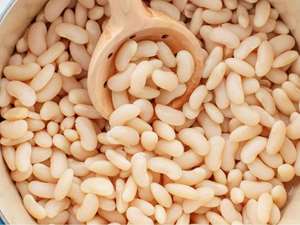
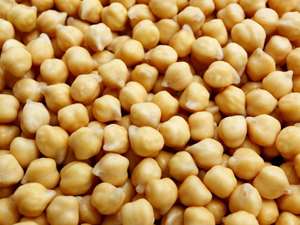
Red Kidney Beans are a culinary heavy-lifter. Try these expert pairings:
The Tex-Mex Classic
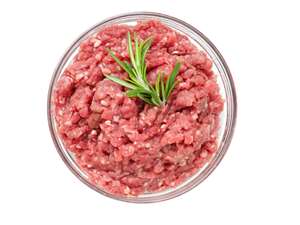
Combine with ground beef or soy crumbles and chili peppers for a world-class chili con carne (recipe below).
Indian Comfort Food
Slowly cooked in a tomato‑ginger masala, Rajma is a hearty kidney bean curry traditionally paired with steamed basmati rice.
Louisiana Style
Slow-cook with smoked sausage and bell peppers for authentic Red Beans & Rice.
how to prepare & use red kidney beans
01Drain the can and rinse the beans thoroughly under cold water to remove excess sodium and starchy residue.
02For salads, dry the beans with a paper towel before tossing so that dressings adhere better to the skin.
03For hot dishes, add beans in the final 10–15 minutes of simmering to allow them to absorb spices without overcooking.
04Roasting: Pat extremely dry, toss with oil, and roast at 200 °C for 25–30 minutes, shaking once halfway through, for a crunchy, high-protein snack.
05Binding: Mash beans to use as a natural binder for veggie burgers or dense baked goods.
*Red kidney beans are known for their firm structure and hold their shape well under extended cooking.
Recipe: Classic Chili con Carne with Red Kidney Beans
20 min Prep | 45 min Cook | Serves 4–6
Directions
01Heat oil in a heavy pot over medium heat. Sauté onion and bell pepper until softened. Add garlic and ground beef; cook until browned. Drain excess fat if needed.
02Stir in tomato paste, spices, and crushed tomatoes. Simmer uncovered for 30 minutes. Add rinsed kidney beans during the final 10–15 minutes, stirring gently.
03Season to taste and rest 5 minutes before serving. Serve with rice, cornbread, or tortilla chips.
Red kidney beans, water, salt, antioxidant.
The Science of Kidney Bean Vitality
Why red kidney beans are a functional legume.
01Glycemic Control: Kidney beans contain slow‑digesting carbohydrates and dietary fiber that help moderate post‑meal blood sugar response and support long‑term metabolic health.
02Enzyme Support: Red kidney beans provide trace minerals that support normal enzymatic processes involved in nutrient metabolism.
03Iron Absorption Synergy: A valuable source of non‑heme iron; pairing with vitamin C‑rich foods such as citrus, tomatoes, or peppers significantly enhances iron absorption.
Nutritional Highlights
- High-quality plant-based protein (8.7g per 100g)
- Excellent source of dietary fiber, including fibers that support gut health.
- Rich in essential folate (B9) and magnesium
- Naturally low in fat and cholesterol-free
| Average Nutritional Values (serving size 100g, rinsed) | Per 100 g |
| Calories | 127 | * |
| Total Fat | 0.5 g | 1% |
| Saturated Fat | 0.1 g | 0% |
| Sodium | 180 mg | 8% |
| Total Carbohydrates | 22.8 g | 8% |
| Dietary Fiber | 7.4 g | 26% |
| Protein | 8.7 g | 17% |
| Potassium (400mg) | 9% |
| Iron (2.2mg) | 12% |
| Magnesium (45mg) | 11% |
| Folate (B9) | 33% |
*Percent values are based on a 2000-calorie diet.
Storage
Preserve the flavor and safety of your red kidney beans.
01Unopened: Store unopened cans in a cool, dry place. Refrigeration is not required until opened.
02After Opening: Transfer any unused beans to a glass or food‑safe plastic container and refrigerate. Do not store beans in the opened can.
03Freezing: Freeze cooked beans in an airtight container or freezer‑safe bag for up to 6 months. Thaw in the refrigerator before use.
Shelf Life
Recommended consumption timelines for quality.
01Unopened: Best before 2–3 years. Always check the date printed on the can.
02Refrigerated: Consume within 3–4 days after opening for optimal freshness.
03Frozen: Maintains best quality for 3–6 months when stored at –18 °C or below.