Culinary Uses & Everyday Applications
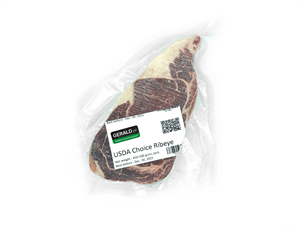
This USDA Choice Prime Rib is suited to a variety of roasting and steak-cooking methods that highlight the cut's marbling and rich beef flavor.
🥩 Oven Roasting
Roast as a traditional standing rib roast for family meals, gatherings, and special occasions. Slow roasting helps promote even cooking and a tender texture.
🔥 Indirect Grilling
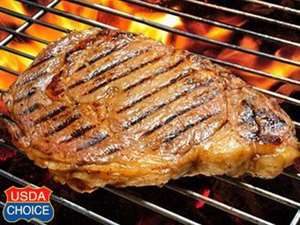
Cook over indirect heat on a charcoal or gas grill, then finish over direct heat to develop a flavorful browned exterior.
⏱️ Bone-In Ribeye Steaks
Portion into thick bone-in ribeye steaks and cook using reverse-searing, grilling, or cast-iron pan-searing techniques.
How to Cook Prime Rib Roast
01Thaw Properly: Remove the roast from the freezer and thaw in the refrigerator in a tray or container. Large roasts may require overnight thawing.
02Prepare & Season: Preheat the oven to 230–260°C (450–500°F). Pat the roast dry and season generously with salt, black pepper, and optional herbs such as rosemary or thyme.
03Start With High Heat: Place the roast in a roasting pan with the fat side facing upward. Begin roasting at high heat to encourage browning and flavor development.
04Finish at Lower Heat: Reduce the oven temperature and continue cooking until the desired internal temperature is reached. Use a meat thermometer for best results. Remove the roast from the oven when it is about
3 to 5°C (5 to 10°F) below your desired final doneness, as the internal temperature will continue to rise slightly while resting.
Approximate internal temperatures before resting:
- Rare: 50–52°C (120–125°F)
- Medium-Rare: 54–57°C (130–135°F)
- Medium: 60–63°C (140–145°F)
05Rest Before Slicing: Remove the roast from the oven and rest for 15–20 minutes before carving. Resting allows juices to redistribute throughout the meat.
Featured Recipe: Classic Herb-Roasted USDA Choice Prime Rib
Ingredients:
Directions:
01Season: Pat the roast dry and rub with butter or oil. Combine the salt, pepper, rosemary, and thyme, then coat the roast evenly.
02Roast: Place in a preheated oven and roast until browned. Reduce the oven temperature and continue cooking until your desired internal temperature is reached.
03Rest: Allow the roast to rest for 15–20 minutes before slicing.
04Serve: Carve into thick slices and serve with roasted potatoes, vegetables, Yorkshire pudding, or red wine jus.
Nutritional Highlights
- Source of Protein: Provides approximately 18g of protein per 100g serving.
- Energy Content: Provides approximately 277 kcal per 100g serving.
- Carbohydrate Content: Contains 0g carbohydrates, dietary fiber, and sugars per 100g serving.
- Contains Iron and Potassium: Beef naturally contains iron and potassium, providing approximately 9% and 7% of the Daily Value, respectively.
| Average Nutritional Values | Per 100 g serving |
| Calories | 277 kcal | %DV* |
| Total Fat | 22 g | 34% |
| Saturated Fat | 9 g | 45% |
| Cholesterol | 67 mg | 22% |
| Sodium | 58 mg | 3% |
| Total Carbohydrates | 0 g | 0% |
| Dietary Fiber | 0 g | 0% |
| Sugars | 0 g | |
| Protein | 18 g | 36% |
| Calcium | 2% |
| Iron | 9% |
| Potassium | 7% |
*Percent Daily Values (%DV) are based on a 2,000-calorie diet.
Store frozen at −18°C or below until ready to use. Once thawed, keep refrigerated and cook within 24 hours for best quality. Refreezing after thawing is not recommended.
Storage & Shelf Life
To help maintain product quality and safety, follow these storage guidelines:
01Keep Frozen: Store at −18°C (0°F) or below and keep frozen until the expiration date indicated on the packaging.
02Refrigerated Storage: After thawing, keep the unopened roast refrigerated and use within 3 days.
03After Thawing: Once fully thawed, store in a covered container in the refrigerator and cook within 24 hours for best quality. Refreezing after thawing is not recommended unless the product has been cooked first.