Versatile Kitchen Pairings
Our Greenland Halibut Fillets adapt seamlessly to healthy, rapid, or sophisticated cooking applications:
Gourmet Herb-Baked
Brush the frozen or thawed fillets with extra virgin olive oil, top with chopped parsley, tarragon, and garlic, then bake in a hot oven for a light, flaky dinner centerpiece.
Clean Ginger Steaming
Place fillets into a bamboo steamer over simmering water. Top with julienned ginger, scallions, and a light dash of premium light soy sauce for a light, mild-flavored preparation.
Classic Pan-Sear
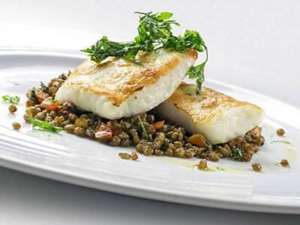
Thaw completely, pat surface dry, and sear in a hot pan with clarified butter. Baste continuously to develop a well-browned exterior.
How to Prepare & Cook Halibut Fillets
01No-Thaw Oven Baking: Preheat the oven to 210°C. Coat your frozen fillets lightly with oil, arrange them top-side up in a baking dish, and cook for 15 to 20 minutes, until the fish flakes easily.
02No-Thaw Steaming: Suspend frozen fillets inside a covered steaming basket set directly above boiling, simmering water. Steam continuously for 12 to 18 minutes until flaky.
03No-Thaw Microwaving: Microwave at medium-high power (around 700–900W) for 4–7 minutes depending on thickness, turning halfway through. Results may vary.
04Thawed Pan Cooking: Defrost the fish overnight in your refrigerator. Cook the fillets in a heated pan for approximately 3 to 4 minutes per side, flipping once, until the exterior is evenly browned and golden.
Featured Recipe: Classic Pan-Seared Lemon Butter Halibut
Ingredients:
- 1 pack Greenland Halibut Fillets, fully thawed
- 1.5 tbsp Olive oil or clarified butter
- 2 tbsp Unsalted butter
- 1 clove Garlic (lightly crushed)
- 1 tbsp Fresh lemon juice
- 1 pinch Sea salt and cracked white pepper
Preparation Steps:
01Overnight Thawing: Let the halibut fillets thaw gradually in the refrigerator overnight until completely defrosted. Before cooking, dry the surface well using clean paper towels.
02Season: Rub both sides of the dry fillets lightly with sea salt and cracked white pepper to draw out the natural sweetness.
03Hot Sear: Heat the olive oil in a non-stick skillet over medium-high heat. Place the fish down and sear undisturbed for 2 to 4 minutes until a golden base forms.
04Butter Baste: Flip gently, lower the heat to medium, and toss in the unsalted butter and crushed garlic. Spoon the melted butter over the fish for 2 more minutes, add lemon juice, and serve immediately.
Bring restaurant-style preparation to your everyday home cooking with this protein-rich seafood option.
Nutritional Highlights
- Rich in Healthy Fats: Contains approximately 14 g of fat per 100 g, including polyunsaturated fats such as omega-3 fatty acids.
- Good Source of Selenium Support: Provides around 50–60% of daily selenium requirements, supporting normal metabolic and immune function.
- Vitamin B6 and D: Supplies about 20% of daily Vitamin B6 needs and high levels of Vitamin D.
- High-Quality Protein: Provides approximately 14 g of protein per 100 g.
| Average Nutritional Values | Per 100 g |
| Calories | 186 |
| Total Fat | 14 g |
| Saturated Fat | 2.4 g |
| Cholesterol | 46 mg |
| Total Carbohydrates | 0 g |
| Dietary Fiber | 0 g |
| Sugars | 0 g |
| Protein | 14 g |
| Sodium | 80 mg |
The Benefits of Arctic Wild Sourcing
Understanding key characteristics of Greenland halibut and its sourcing environment.
01Cold-Water Habitat: Harvested from Arctic and North Atlantic waters around Greenland, where the species naturally develops in low-temperature marine environments.
02Naturally Higher Fat Content: Greenland halibut contains more fat than lean white fish, including polyunsaturated fats such as omega‑3 fatty acids. This contributes to a softer texture and helps retain moisture during cooking.
03Convenient Preparation: Fillets are typically processed as skinless, boneless portions and vacuum-sealed for straightforward storage and preparation.
Storage & Shelf Life
Maintain quality and freshness with proper handling.
01Freezer Storage: Keep frozen at -18°C (0°F) or below in sealed packaging to minimize moisture loss and prevent freezer burn.
02After-Thawing: Defrost under refrigeration or cold running water. Cook within 1–2 days for best quality.
03Refreezing: Not recommended, as it may affect texture and moisture, resulting in a softer consistency.