Culinary Uses & Everyday Applications
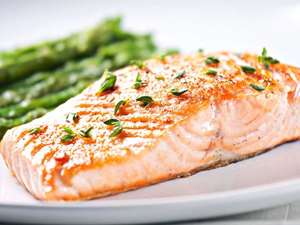
Chilean Seabass adapts well to both simple home cooking and restaurant-style preparations, thanks to its naturally rich texture and mild flavor.
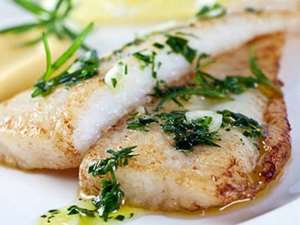
🐟 Pan-Seared with Lemon Butter
A classic preparation that highlights the fish's rich flavor and naturally buttery texture.
🍋 Oven-Roasted with Herbs & Citrus
Roast with lemon slices, garlic, and fresh herbs for an elegant yet simple main course.
🥢 Miso-Marinated & Broiled
Sweet white miso complements the fish's richness and creates a lightly caramelized finish.
How to Prepare & Cook Chilean Sea bass Fillets
01Cook After Thawing:
Thaw & Dry: Defrost under refrigeration overnight or using a cold-water bath. Pat dry thoroughly before cooking.
Pan-Sear: Put a little oil in a skillet and warm over medium-high heat. Cook skin-side down for 2–3 minutes or until golden. Turn and cook an additional 1.5–2 minutes depending on thickness.
Oven Finish (Optional): For thicker portions, transfer to a preheated 190°C oven and cook until the internal temperature reaches 63°C (145°F).
02Cook From Frozen:- Oven (210°C): Brush the fillets with oil and place them in a dish skin side up. Bake in a preheated oven for 12-14 minutes.
- Steamer: Cook the fillets for 5-6 minutes in a covered steamer basket over simmering water.
- Microwave (900 watts): Cook the fillets in a suitable dish, skin side down, for 2-4 minutes for 2 fillets, covered, flipping halfway.
- Air Fryer (190°C): Cook for 12–15 minutes, flipping halfway through if desired.
03Rest Before Serving: Let portions rest for 2–3 minutes before serving.
*Cooking times are approximate and may vary depending on portion size, cooking equipment, and starting temperature. Always check the internal temperature to confirm doneness.
Recipe: Pan-Seared Chilean Seabass with Lemon Butter Sauce
10 min Prep | Approximately 10–15 min Cook | Serves 2
Ingredients
- 2 GERALD.ph Chilean Seabass Portions, thawed
- 1 tbsp olive oil
- 2 tbsp unsalted butter
- 2 cloves garlic, minced
- 1 tbsp fresh lemon juice
- 1 tsp lemon zest
- 1 tbsp chopped parsley
- Salt and freshly ground black pepper, to taste
- Lemon wedges, for serving
Directions
01Pat the thawed Chilean Seabass dry with paper towels. Season both sides lightly with salt and pepper.
02Heat olive oil in a heavy skillet over medium-high heat. Place the fish skin-side down and cook for approximately 3–4 minutes, until the skin is crisp and golden.
03Carefully flip the portions and cook for another 2–4 minutes, adjusting the time according to thickness. Check that the thickest part reaches 63°C (145°F).
04Reduce the heat to low. Add the butter and garlic, cooking for about 30 seconds without allowing the garlic to burn. Stir in the lemon juice and zest, then spoon the sauce over the fish.
05Remove from the heat, garnish with parsley, and serve with lemon wedges and your preferred vegetables or rice.
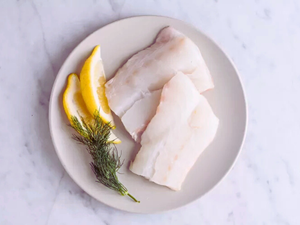
Patagonian toothfish frozen fillets
| Reference Nutritional Values (raw flesh) | Per 100 g | % DV* |
| Calories | 184 kcal | 9% |
| Total Fat | 14 g | 18% |
| Saturated Fat | 3.2 g | 16% |
| Cholesterol | 48 mg | 16% |
| Sodium | 72 mg | 3% |
| Total Carbohydrates | 0 g | 0% |
| Dietary Fiber | 0 g | 0% |
| Sugars | 0 g | — |
| Protein | 15 g | 30% |
| Calcium | 12 mg | 1% |
| Iron | 0.4 mg | 2% |
| Potassium | 320 mg | 7% |
*Percent daily values are based on a 2,000-calorie diet.
⚠️ Mercury Advisory: Chilean sea bass contains mercury. Pregnant or breastfeeding individuals and children should follow fish-consumption guidance.
Storage
Proper frozen storage helps maintain the fish’s quality, flavor, and texture.
01Keep Frozen: Store continuously at −18°C (0°F) or colder until ready to thaw and prepare.
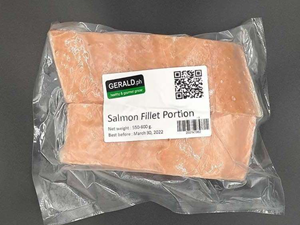
02Keep Sealed: Keep in its original sealed vacuum packaging to help prevent freezer burn and quality loss.
03Delivered Frozen: Delivered frozen through temperature-controlled cold-chain logistics across Metro Manila, or available for pickup in Makati City.
Shelf Life
Refer to the date and storage instructions on the packaging.
01Frozen Storage: Keep frozen at −18°C (0°F) or below and consume by the best-before date indicated on the package.
02After Thawing: Keep refrigerated and cook within 24 hours. Avoid refreezing once fully thawed.
03After Cooking: Store leftovers in an airtight container under refrigeration and consume within 1–2 days.